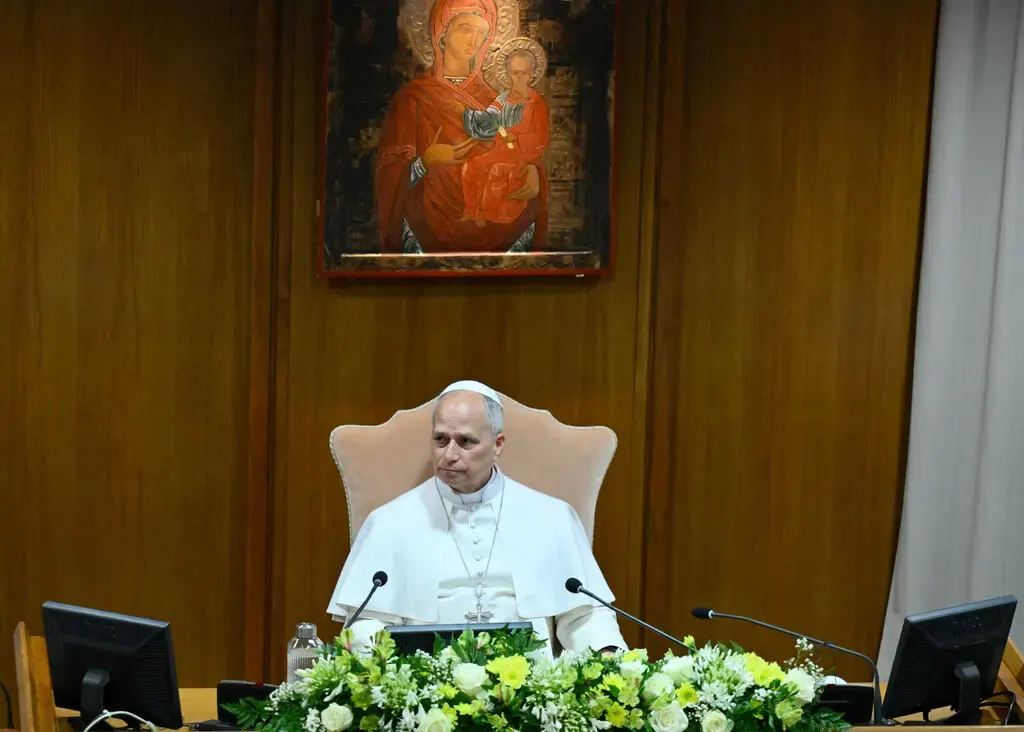
Released in May 2026, "Magnifica Humanitas" frames artificial intelligence not as a technological issue but as a question of political power, warning against systems where economic and technological control concentrates in the hands of a small number of actors operating beyond democratic accountability. For Italy's center-left, that message arrived at exactly the right moment.
The Encyclical's Core Argument
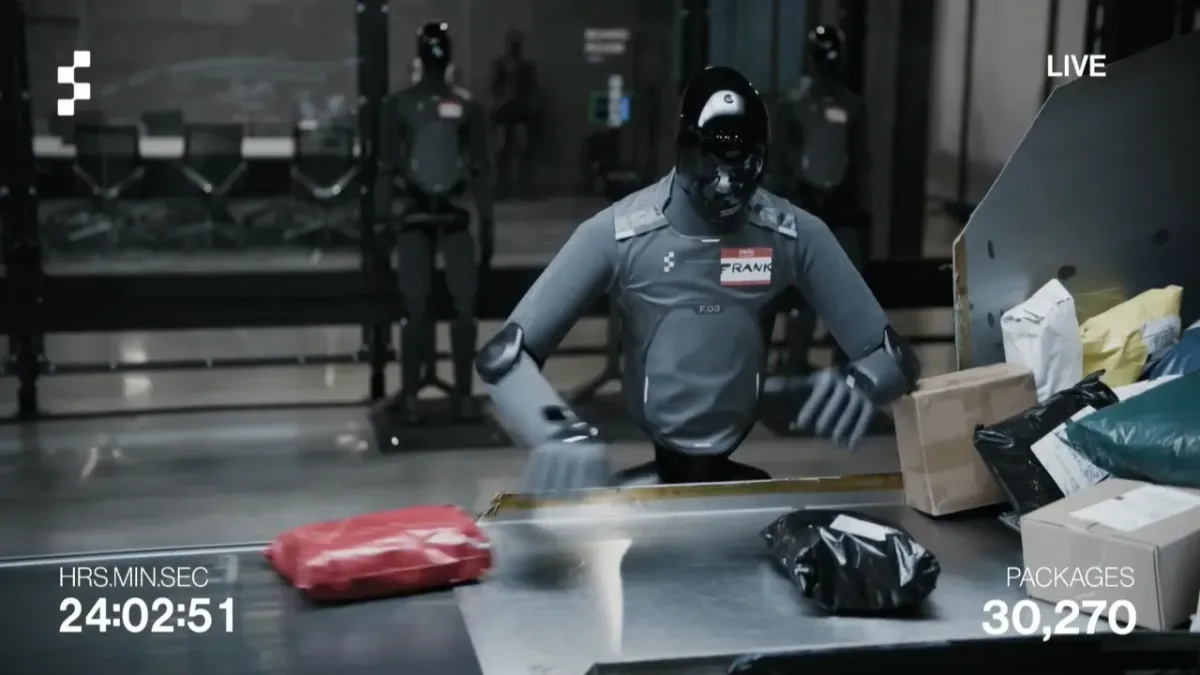
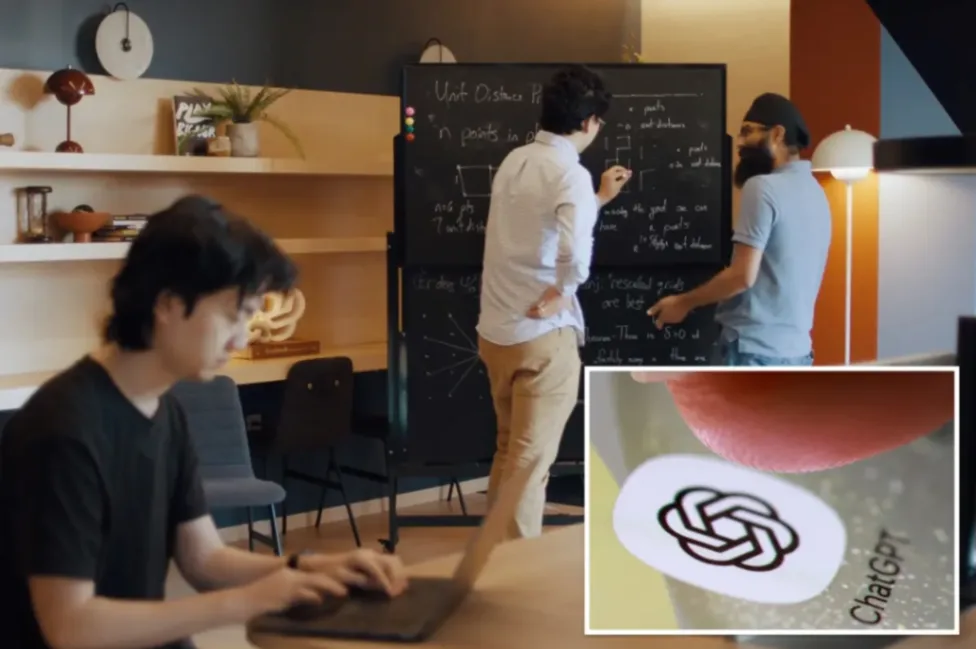
Leo XIV's text presents AI as a force capable of amplifying existing inequalities, dependencies and political asymmetries if left ungoverned. The pope criticizes what he calls a modern "culture of power," linking AI development to geopolitical fragmentation, weakened multilateralism and the normalization of conflict. The document does not mention Washington directly, but its repeated warnings against "power politics" and technological concentration cut clearly against the deregulatory vision associated with Trump allies and parts of Silicon Valley.
How the Democratic Party Responded
Pd leader Elly Schlein was quick to embrace the text, describing it as a "powerful message" and warning that unregulated AI risks producing "new dependencies, exclusions, manipulation and inequalities."
Senior party figures followed with a coordinated response. Nicola Zingaretti raised the risk of a future governed by "digital oligarchies." Sandro Ruotolo linked Big Tech concentration to Trump-era deregulation and called for stronger European digital sovereignty. Senators Lorenzo Basso and Antonio Nicita, who recently introduced a bill on algorithm regulation, argued the encyclical supports stronger safeguards against algorithmic profiling, disinformation and workplace surveillance.
The common thread: AI should remain subject to democratic oversight, not shaped by monopolies or strategic competition.
Why This Convergence Matters
For years, the European center-left has struggled to articulate a coherent political language around AI that balances innovation, social protection and democratic control. Leo XIV's encyclical offers something many progressive parties have lacked, a moral narrative that connects labor, inequality, technological concentration and democracy inside a single framework.
The overlap is especially visible around three themes: regulation over deregulation, democratic oversight over private technological concentration, and European sovereignty over dependence on American platforms.
There is also an electoral calculation at work. The Pd sees issues of work, dignity and technological disruption as a path to reconnect with Catholic voters, a constituency that could prove decisive in Italy's expected national elections next year.
The Bigger Picture
What began as a Vatican document on artificial intelligence is rapidly becoming a political reference point for Europe's center-left. In Italy at least, the pope's words are being read less as theology and more as a blueprint for democratic governance of technology.